From flax to linen
Linum Usitatissimum
translates from Latin as "most useful linen." In naming this
species, botanists recognized the inherent value of the humble flax
plant. For ten thousand years or more, man has known this gentle
gift of nature was the source of textiles with special properties:
soft hand, rich color absorption, lasting durability, and
unrivalled comfort.
Always
ecologically-correct, every part of the flax plant is at man's
service. The seeds provide oil for dyes, paint, cosmetics and floor
coverings. When ground, they form a flour used in poultices. The
fibers have been used as sutures. The by-products of linen
production are processed into a pulp used for banknotes or
fiberboard. However, flax is most renowned as the raw material for
an extraordinary fabric.
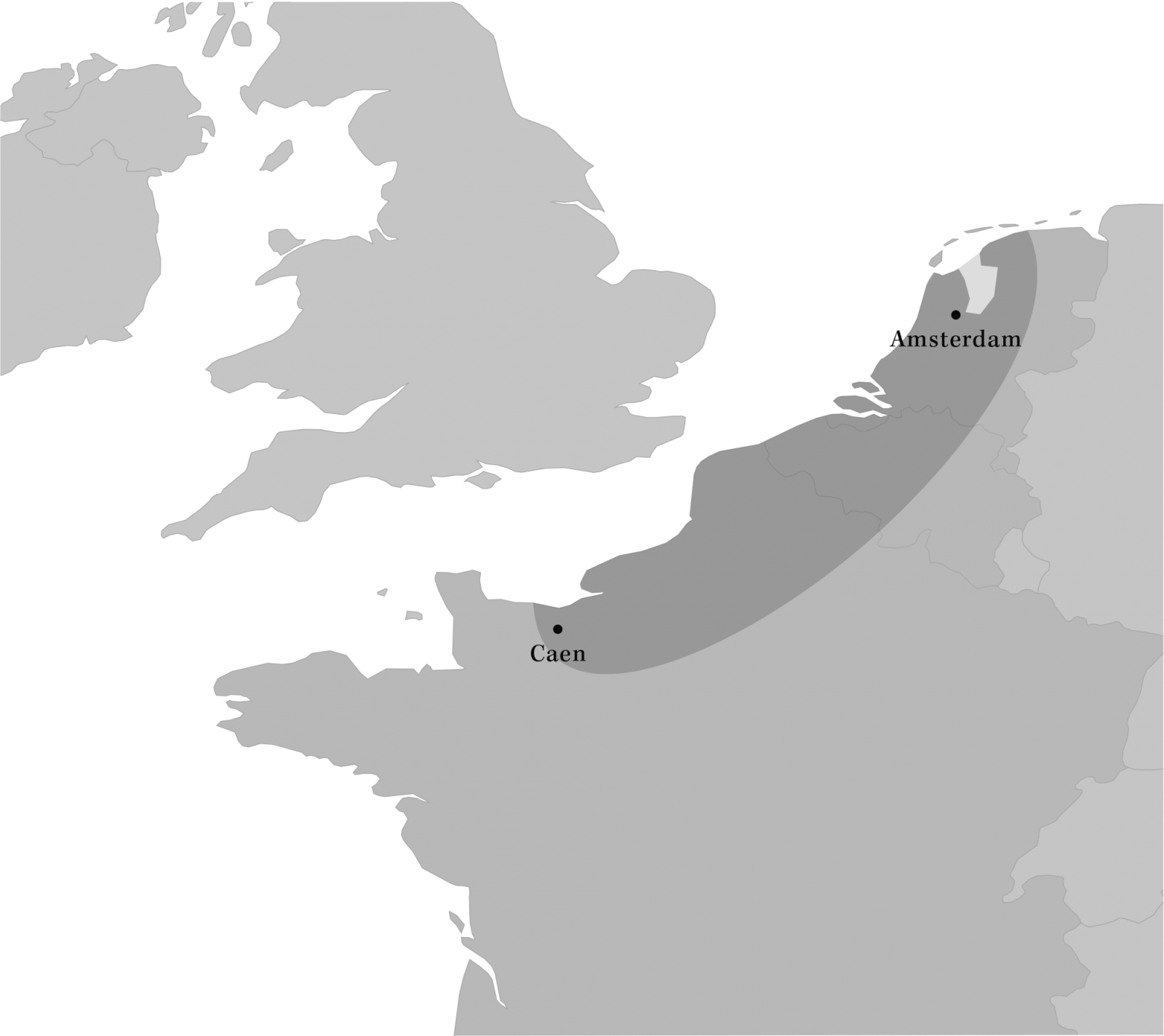
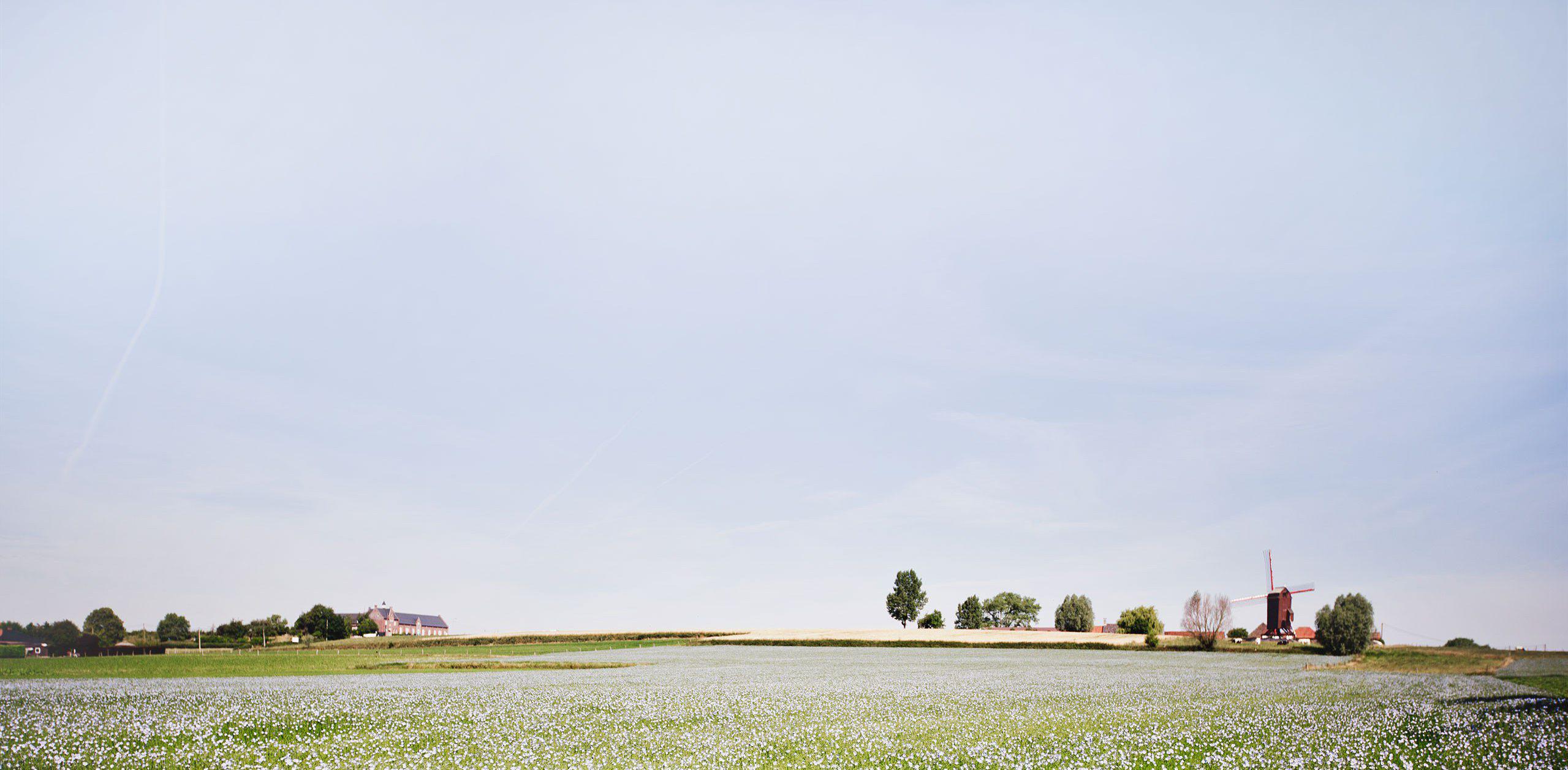
Flax is one of the few
crops still produced in Western Europe, with nearly 75,000 acres
under cultivation annually. Climatic conditions in this region are
perfect for growing flax, and increasing worldwide demand for linen
makes it an important cash crop.
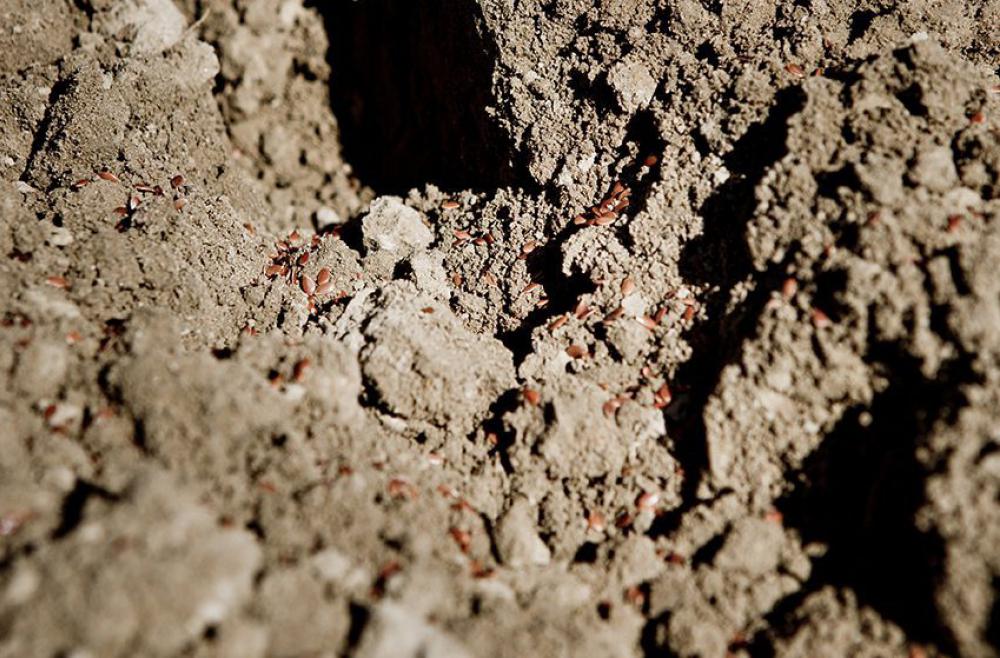
The growing cycle is
short and sweet, with only 100 days between sowing in March and
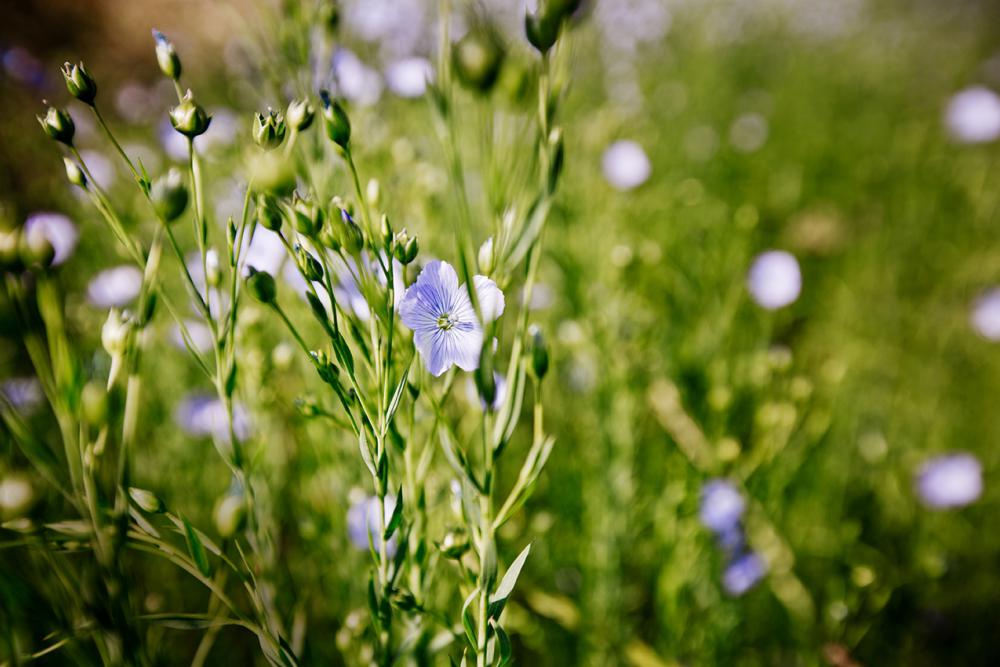
harvesting in July. The plant ripens by the end of June into golden
yellow color, and then it flowers, dotting the fields with blossoms
of violet, blue and white. This display is over quickly, however,
for each flax plant blooms for one day only.
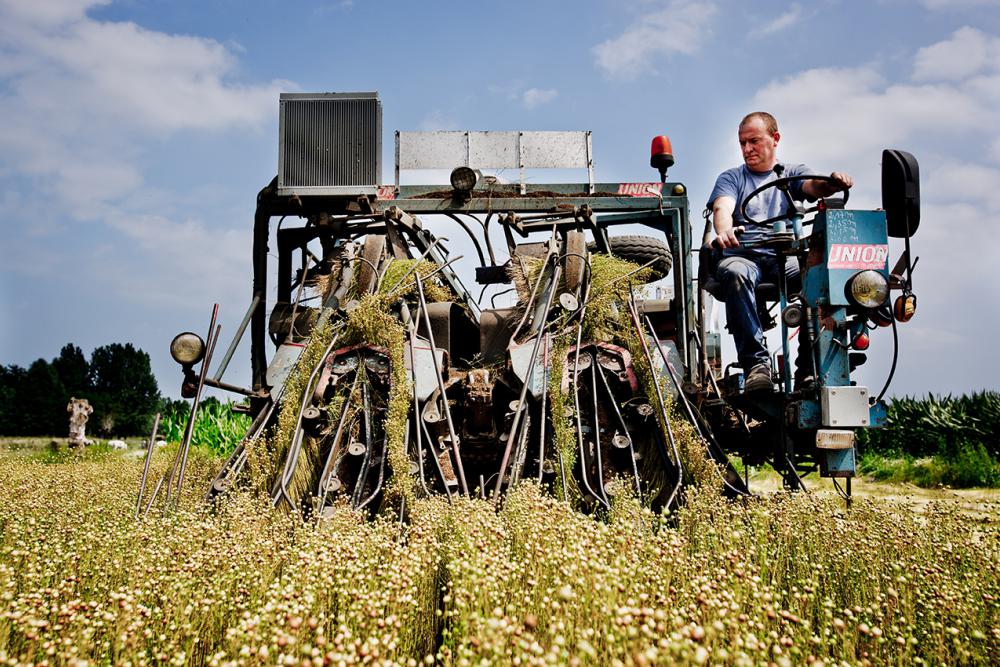
Harvesting:
To
preserve the full potential of each plant, flax is never mowed but
must be uprooted. Up through the Second World War, this was an
exhausting process done by hand. Today, mechanical grubbers do this
tiring work.
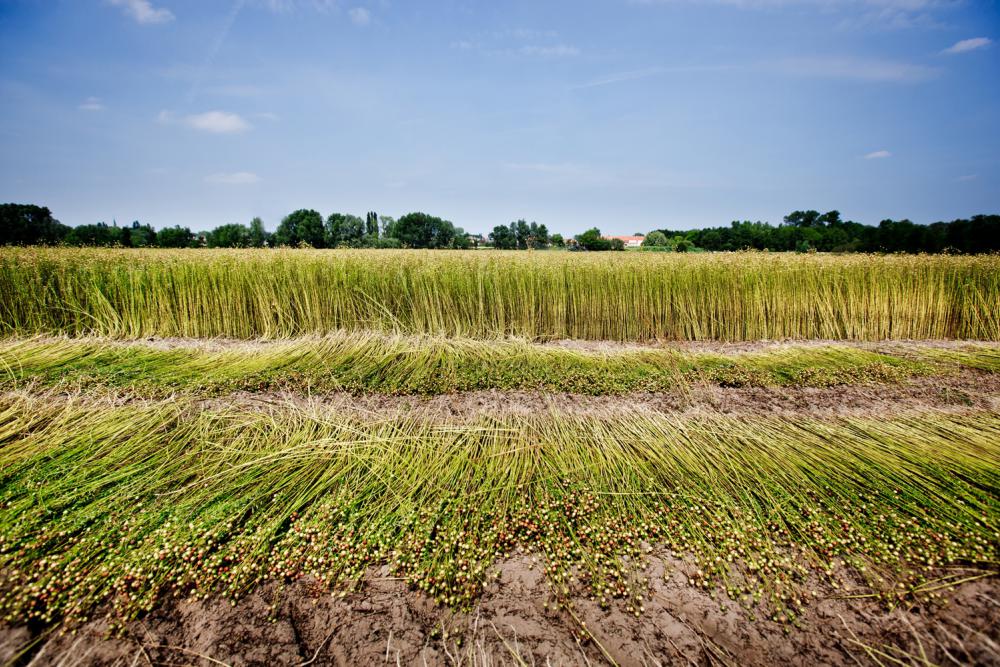
Drying:
After harvesting, the flax is stacked in hedges to dry. Once dried,
the seeds are removed.
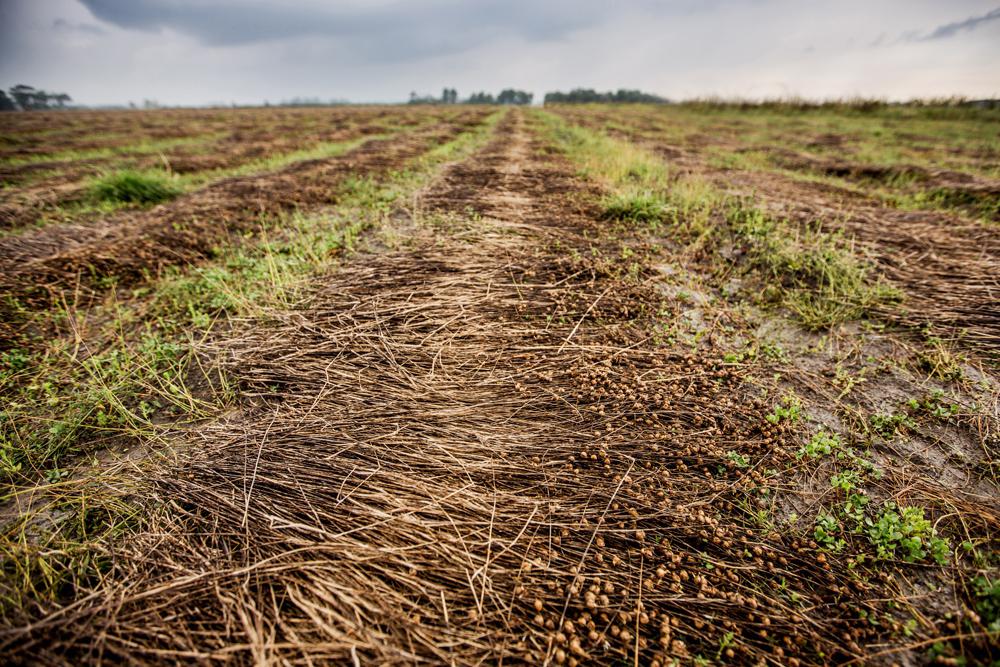
Retting and
Turning:
Then
flax is exposed to moisture to break down the pectins that binds
the fibers together. In the past, flax was retted in rivers,
particularly in the Lys region, which imparted a lovely golden glow
to the fibers. Today, for ecological reasons, retting is no longer
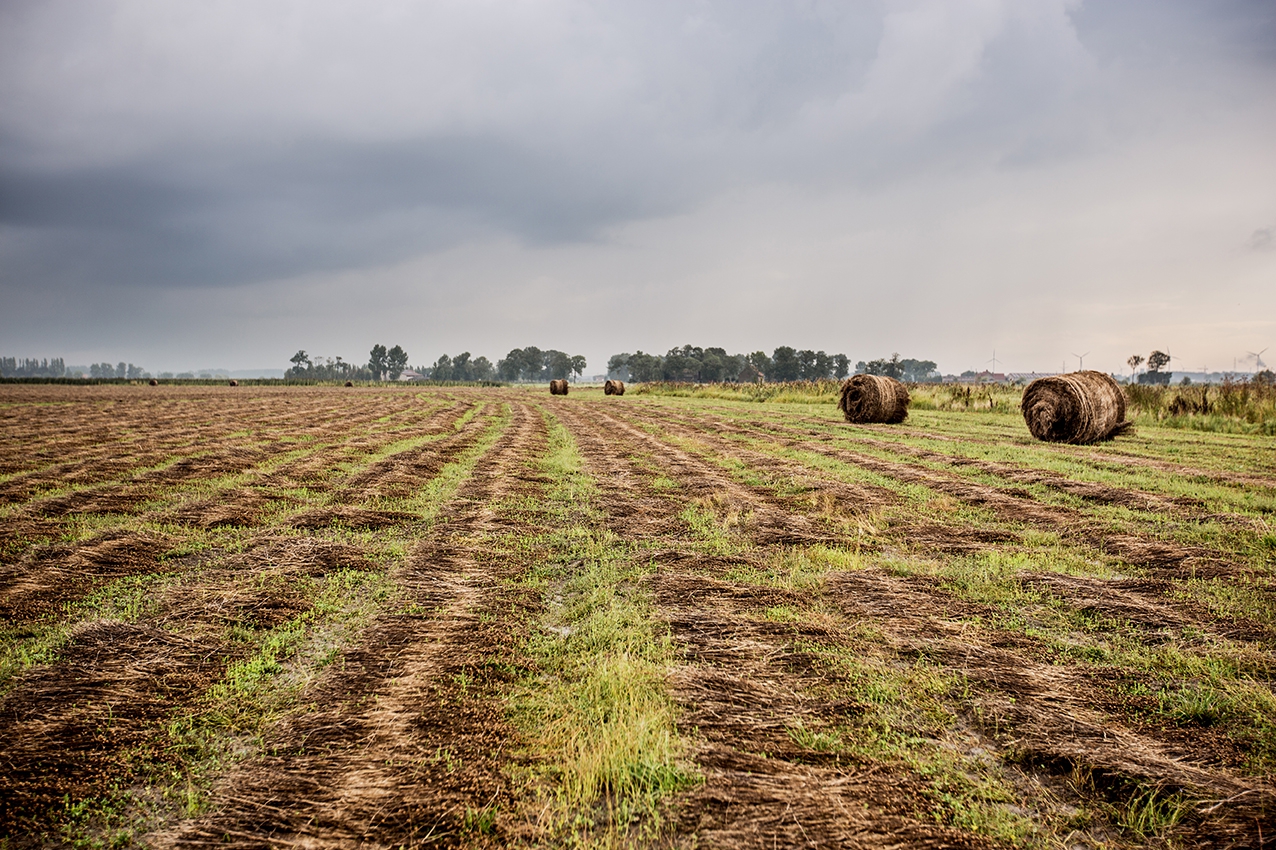
performed in rivers. The preferred method still requires the
intervention of Mother Nature as the flax is spread out in the
fields and exposed to rain, dew and sunshine for several weeks.
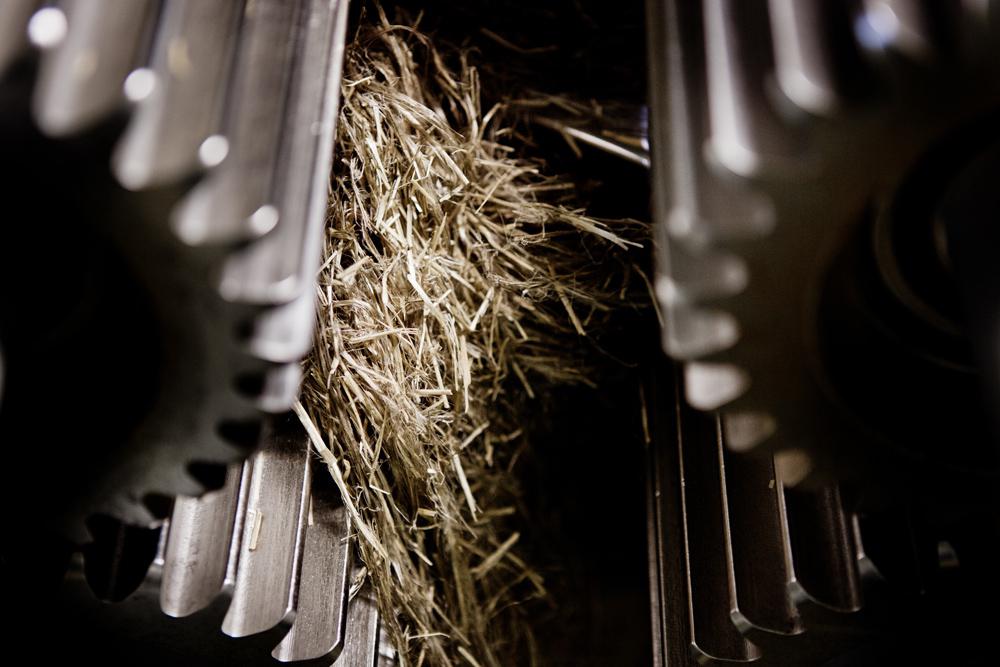
Stripping and
Combing:
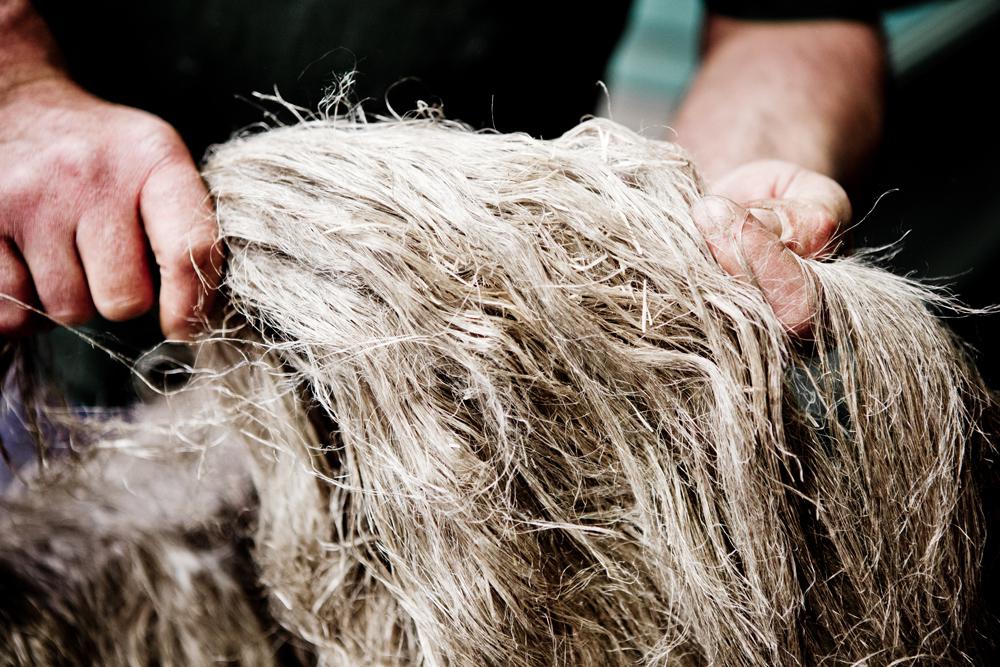
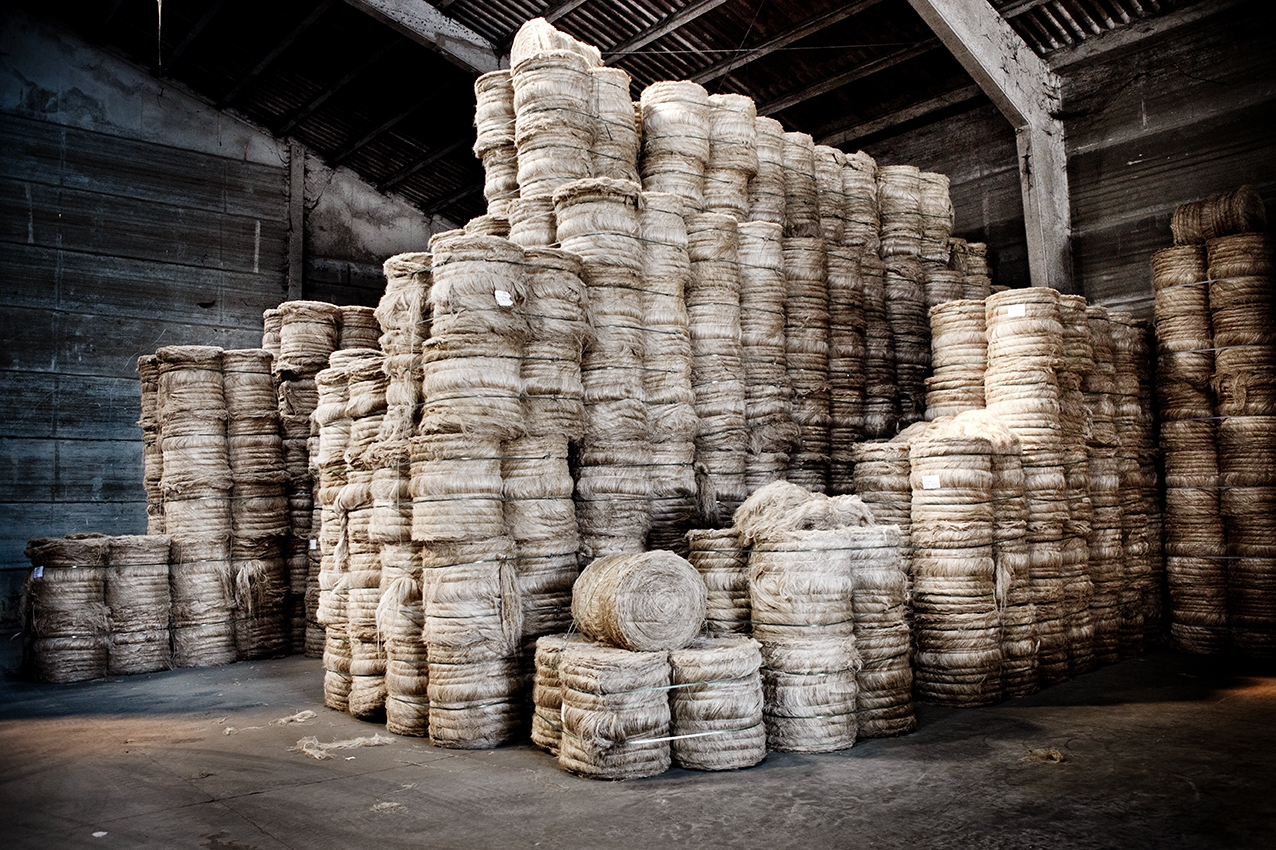
During these mechanical processes the fibers are separated from the
straw (shives), and then graded into the short fibers (tow) which
is used for coarser yarns, or the longer fibers (line) which will
be used to create the finest linen yarn.
Spinning:
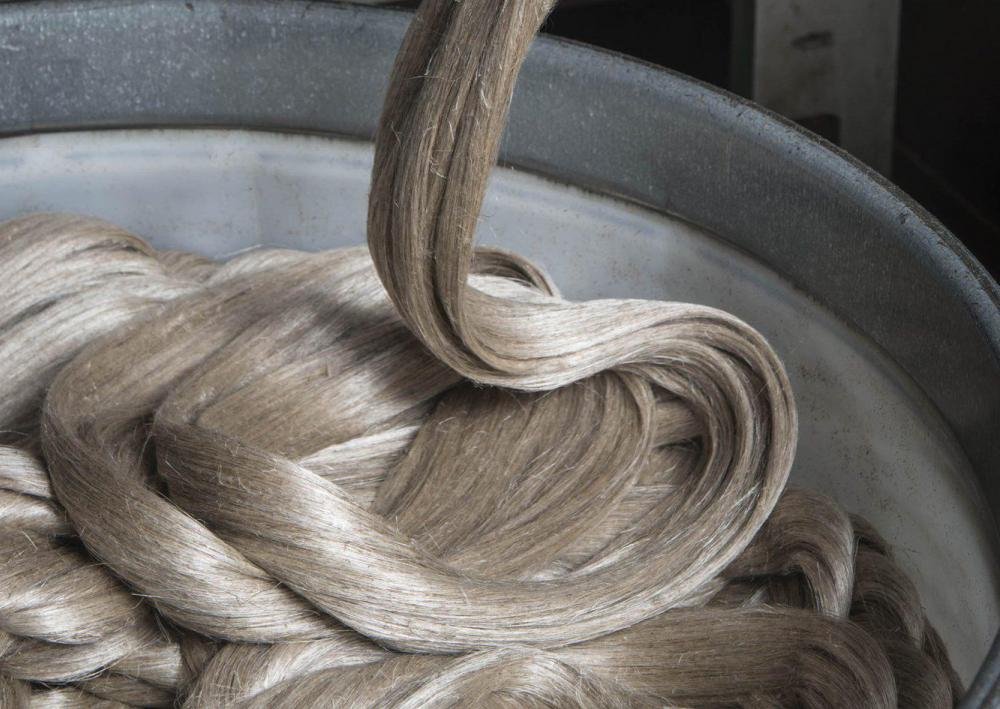
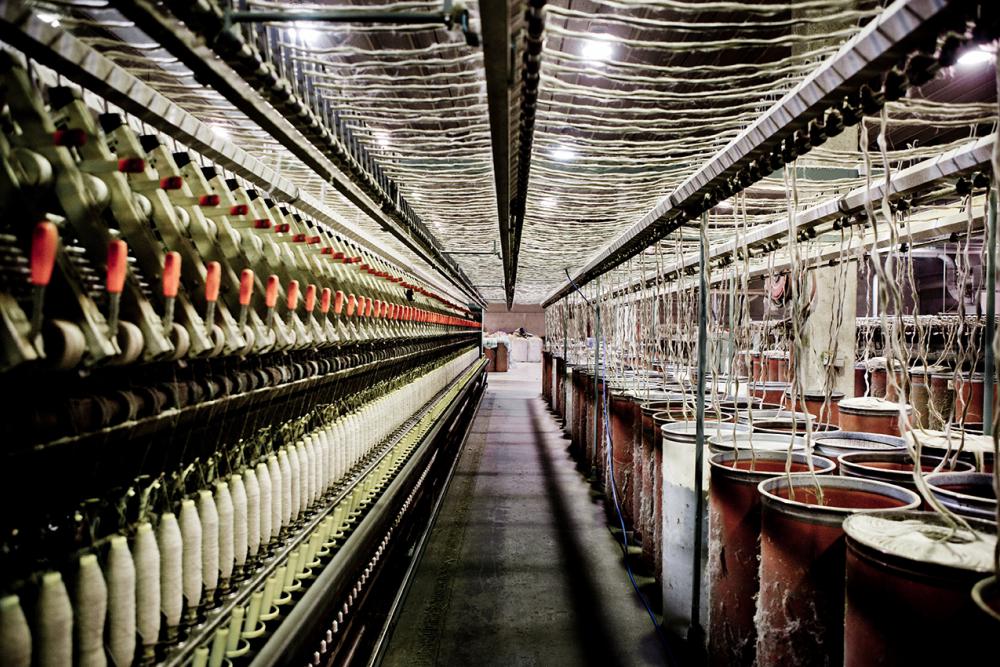
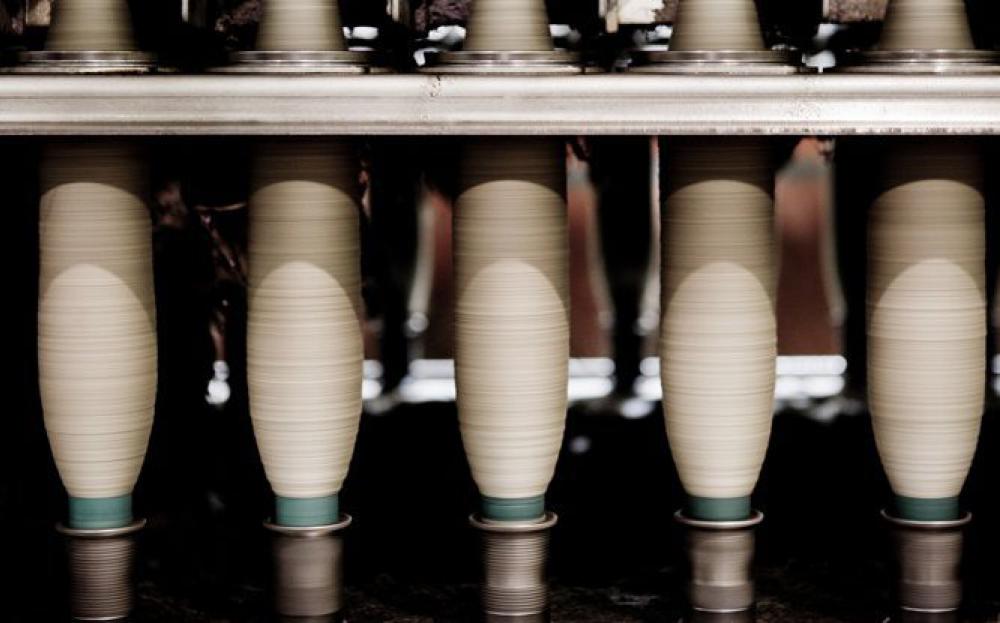
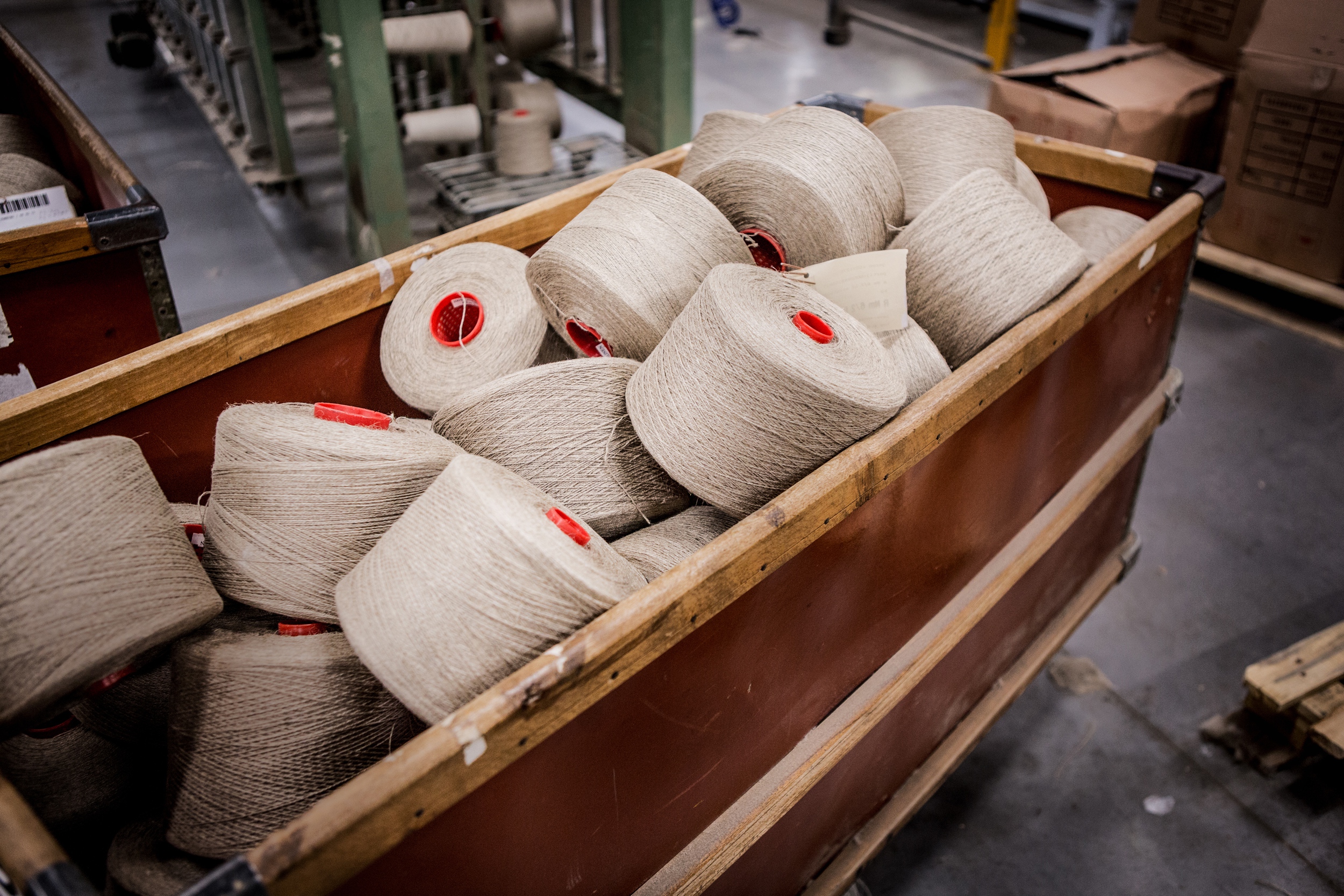
Drafting and doubling, or carding, draw out the long or short
fibers into sinuous "ribbons" which are then plied together on
spinning looms in various weights and thicknesses. The fine yarn is
"wet spun" to impart a smoother, shiny appearance. The tow are
commonly "dry spun" yielding a less regular and napped yarn.
Weaving,
Bleaching and Dyeing:
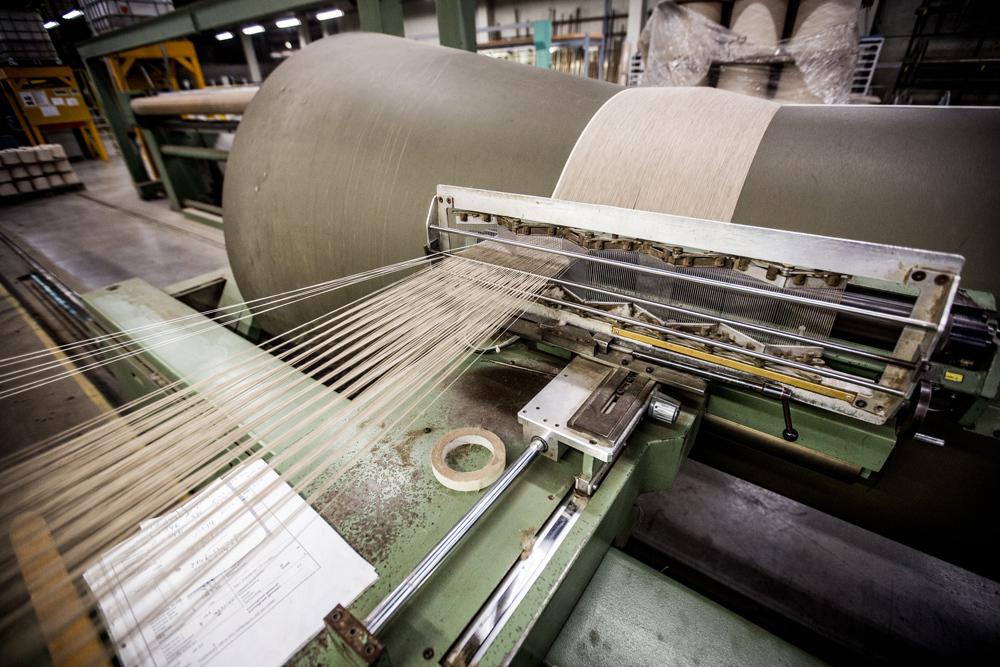
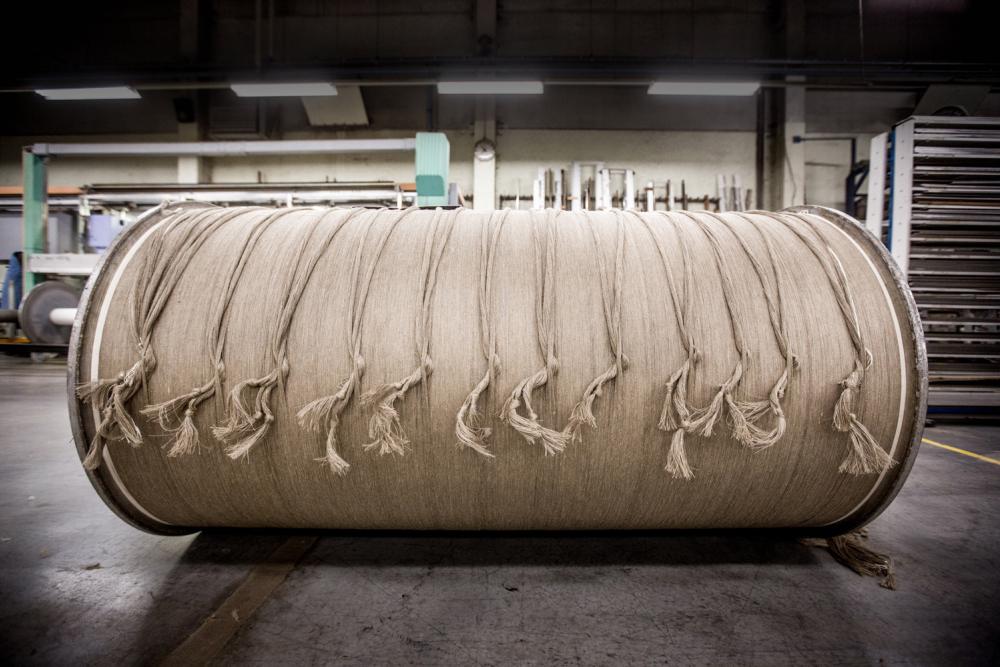
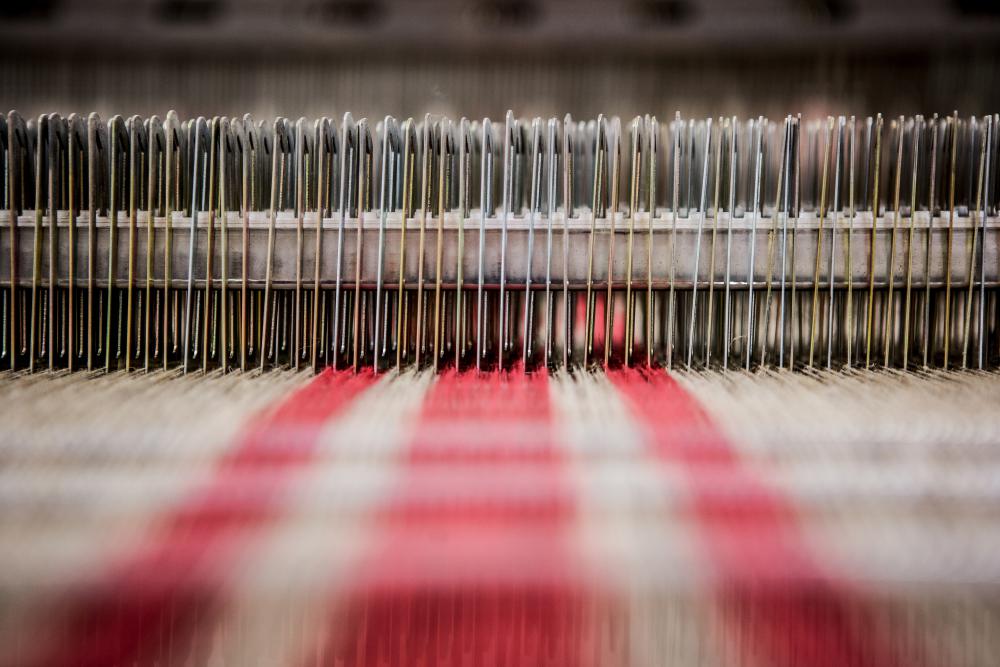
Before any weaving occurs, the linen yarns are examined for
strength, evenness and pliancy. Close tolerances on these
properties are required because of the great speed of today's power
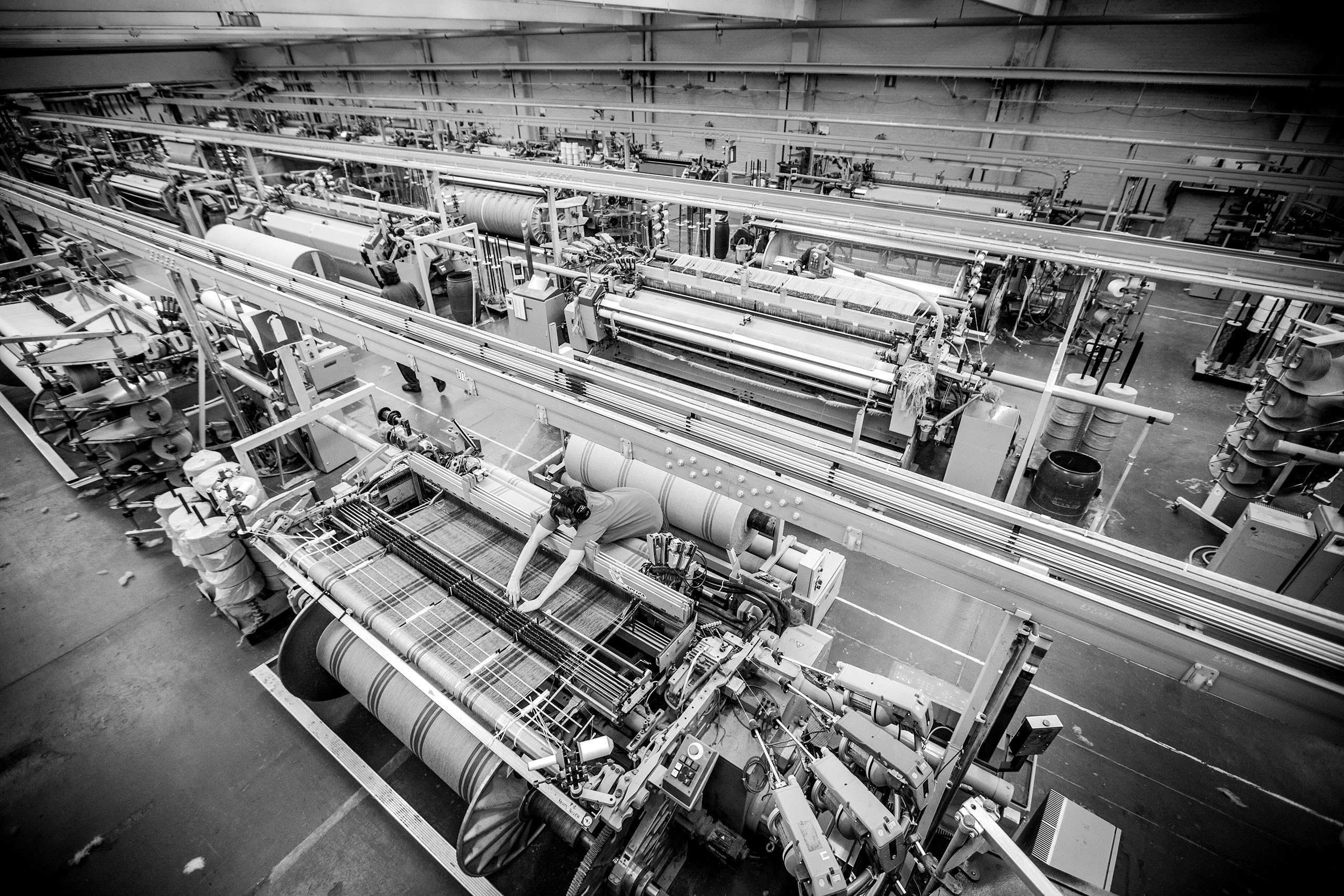
looms. The looms of Libeco·Lagae run around the clock and are
monitored by a central computer to ensure quality and efficiency.
During their 8-hour shift, each weaver can now be responsible for
10 to 15 looms.
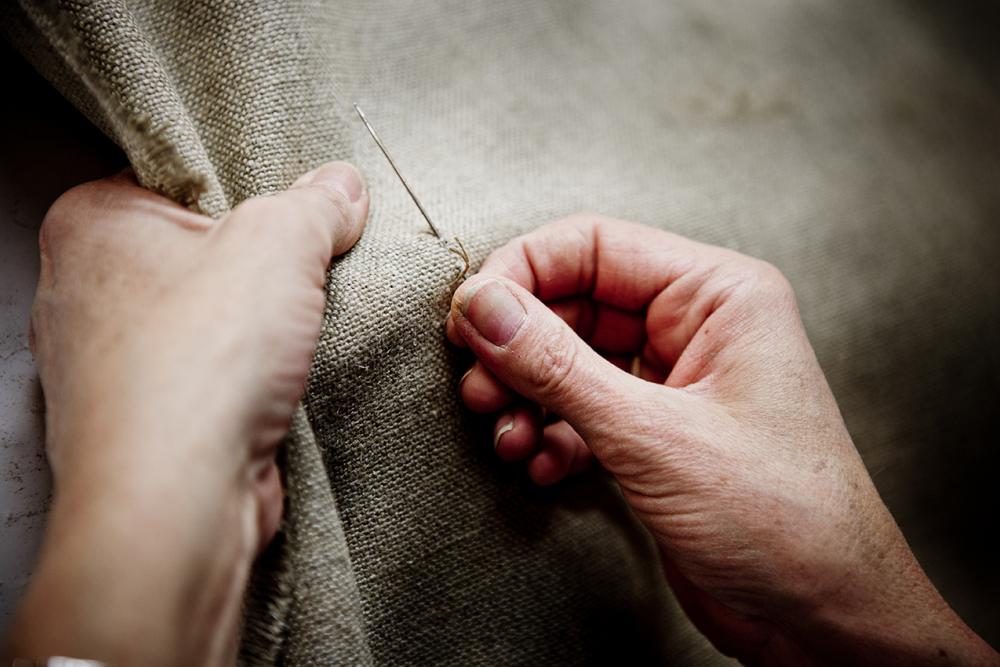
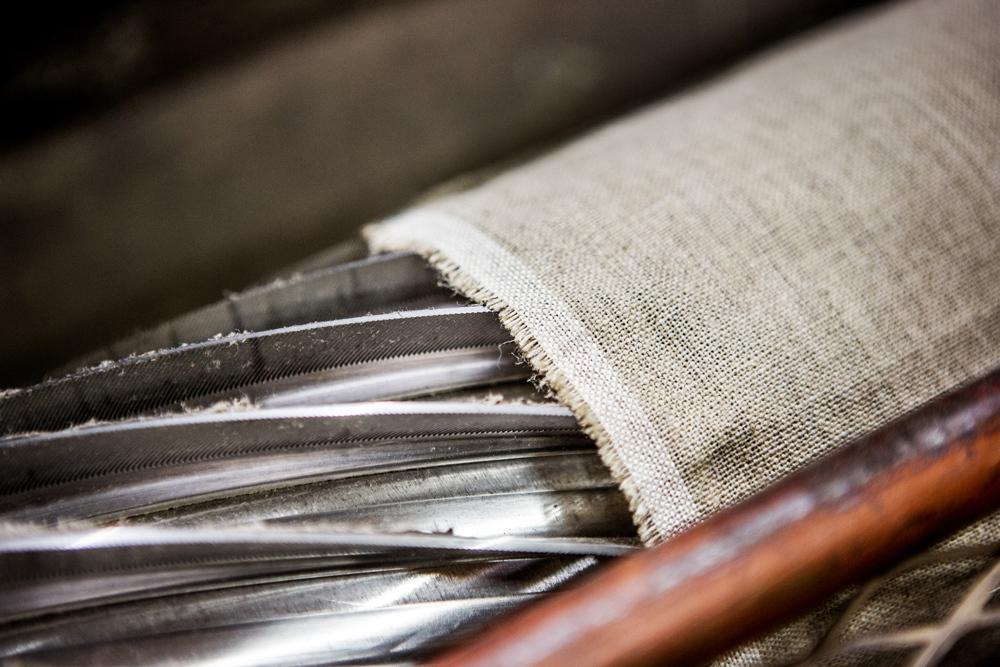
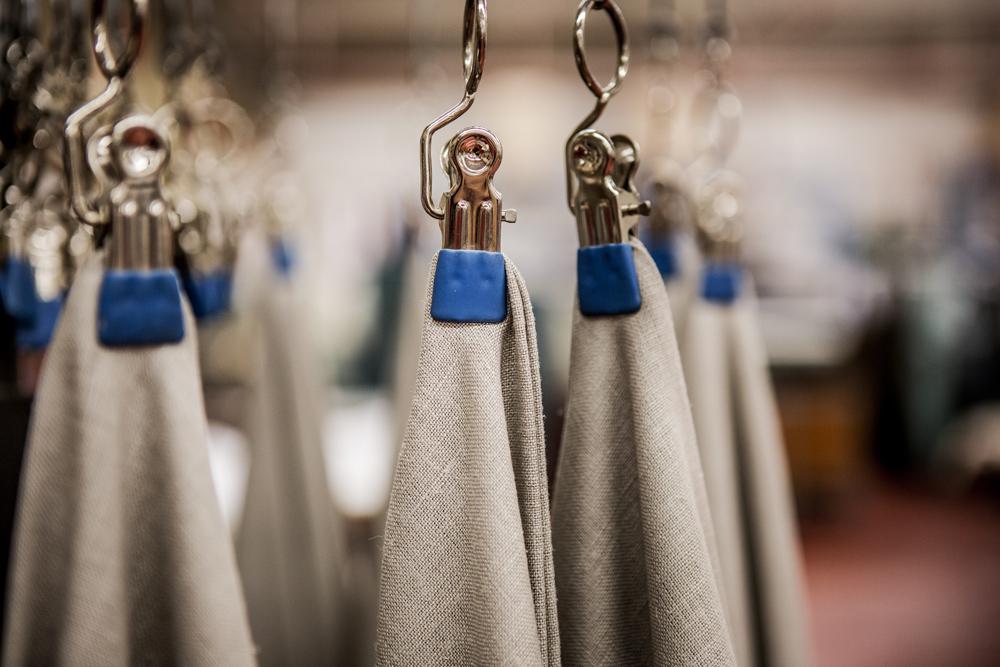
After weaving, each yard
of fabric is examined and quality tested. If the fabric is not
being used in this raw state, it moves to the finishing department
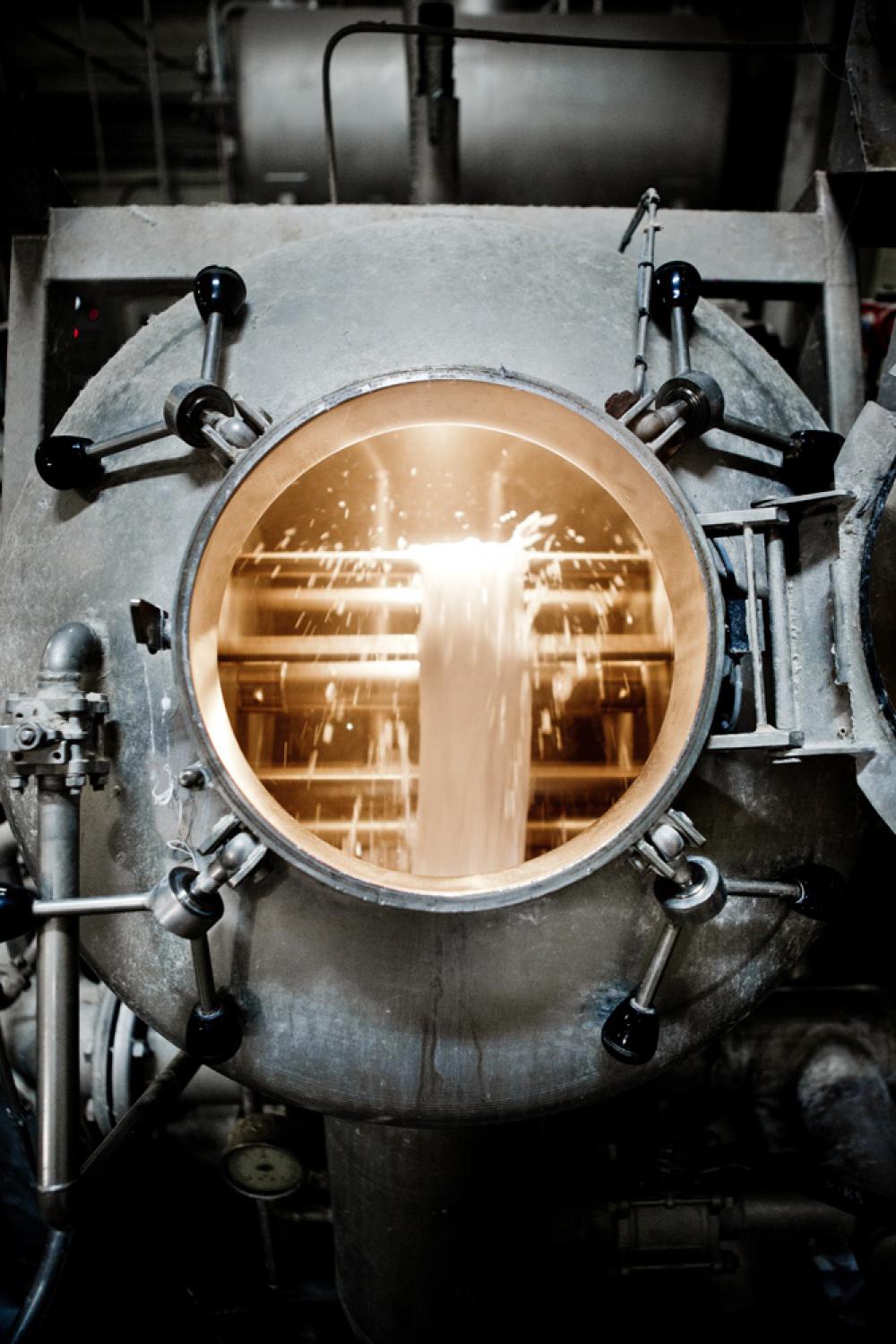
where it is bleached and/or dyed. Bleaching linen requires
consummate skill-enough chemicals to remove
any pectin or shive residue, but not so much as to compromise the
structure of the fibers. After bleaching or dyeing, various
treatments to make it crease- or soil-resistant can be applied.
Linen is crisp, clean
and comfortable. Soft, yet strong and durable. The more it is used,
the softer and stronger it becomes. It can absorb up to 20% of its
weight in moisture before it feels damp, and easily releases
moisture to the air to remain cool and dry to the touch. Flax
remains colorfast and launders beautifully. It has the additional
advantage to be non-allergenic. Flax requires considerably fewer
pesticides and fertilizers than other crops. The fibers are
recyclable and eventually biodegrade.
For all these reasons,
linen offers fashion designers unlimited creative potential, and
wearers lasting enjoyment. Bedding of pure or blended linen is in
vogue once more. We never tire of linen at the dining table. The
utility of linen in the kitchen is unrivaled. No other fiber can
offer this unique blend of luxury and comfort, supreme elegance and
down-to-earth practicality